General
Hannover Fair & Leightweighting Summit 2026
AM is no longer distinguishable — and Hannover Messe demonstrated this impressively this week.
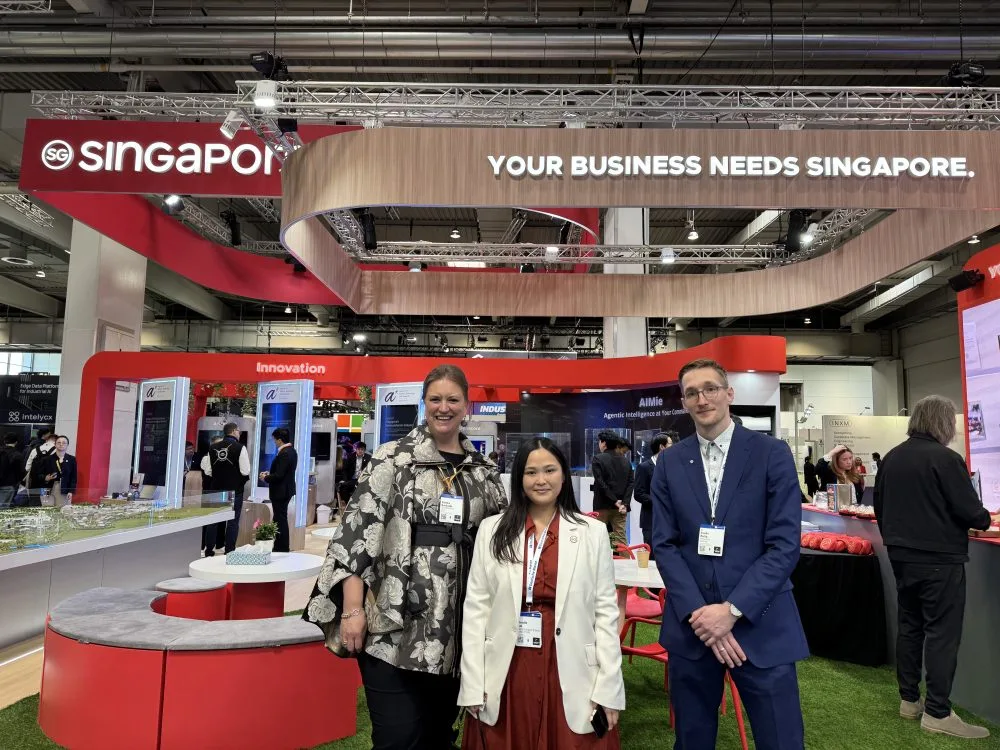
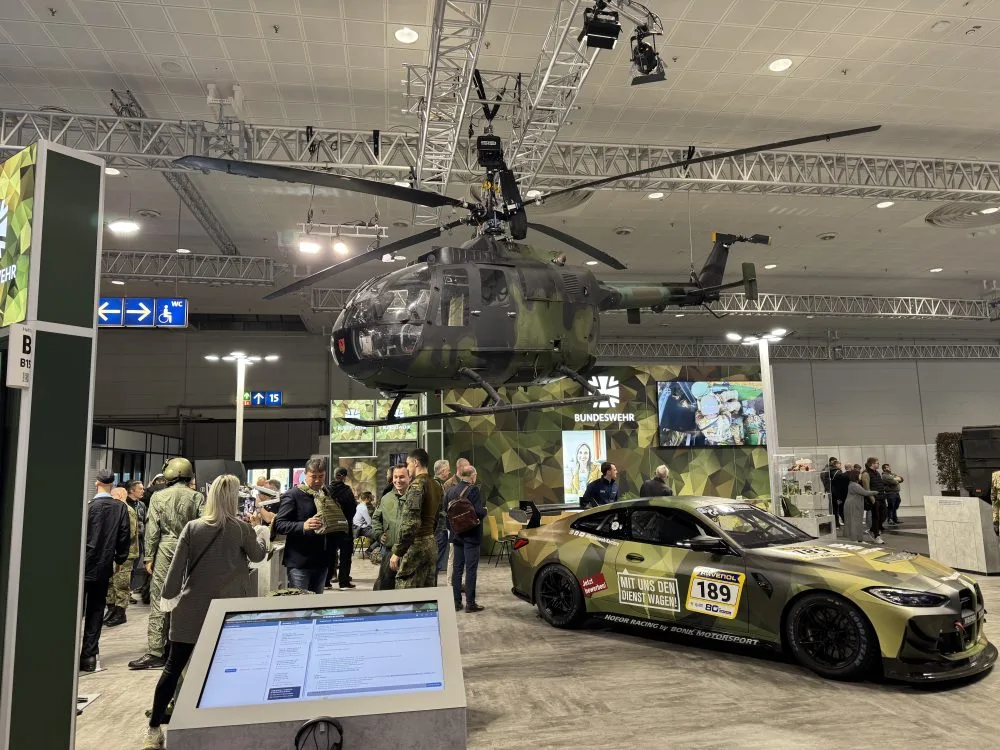
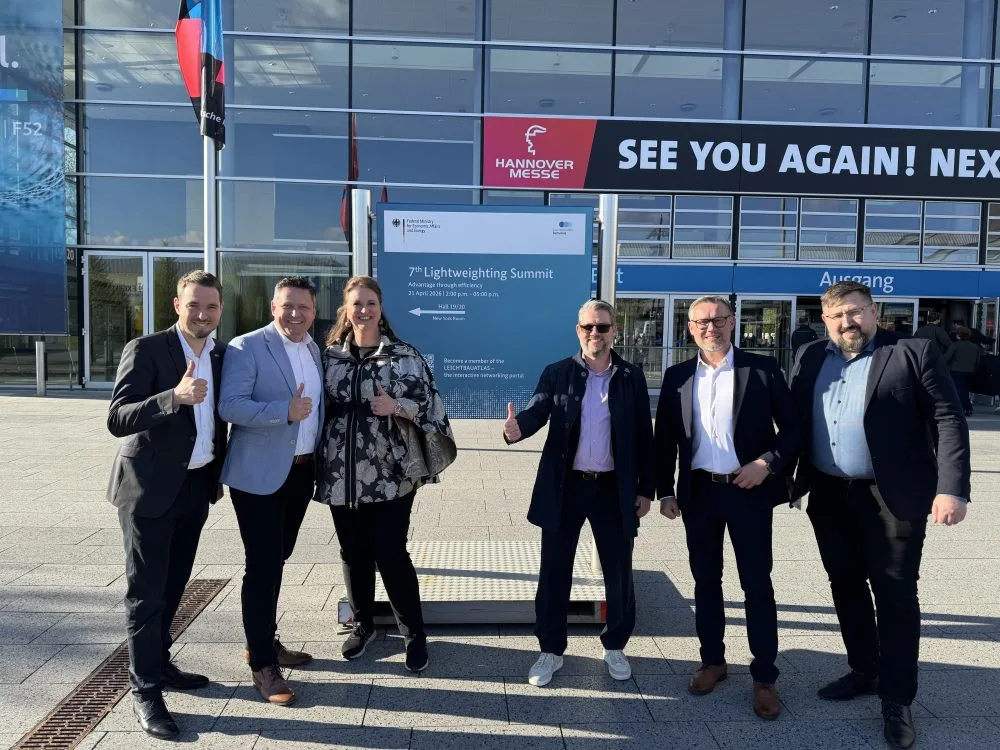
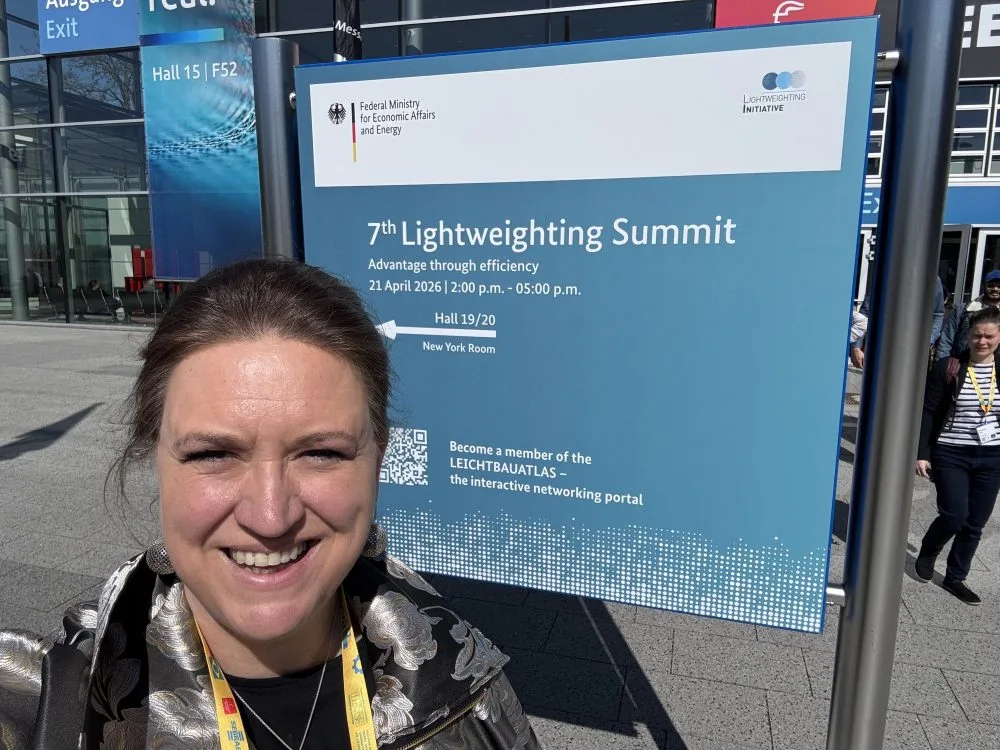
What surprised and delighted our Managing Director, Stefanie Brickwede, most was that in Hall 17 and throughout many other areas of the fair, AM was no longer presented as something extraordinary. In many cases, you would not even recognize that a component had been 3D printed unless you were an expert. The technology is becoming fully established and integrated into industrial manufacturing environments.
Additive manufactured parts could be found not only in the dedicated AM areas, but also alongside machining and casting technologies. AM is increasingly seen simply as the most efficient and flexible way to manufacture certain geometries and applications — for example, highly optimized components for the energy sector.
Another exciting signal was the integration of AM topics into the new resilience-focused exhibition formats and preview concepts for upcoming industrial initiatives launching next year.
This year’s partner country, Brazil, added an important international dimension to the event. At the same time, it was noticeable that some Asian exhibitors were less strongly represented than in previous years — likely reflecting geopolitical tensions, increasing travel costs, and broader accessibility challenges.
Although Hannover Messe has become smaller in recent years, this does not necessarily indicate declining relevance. Different industries follow different innovation cycles, and the fair is already expected to expand again next year with additional exhibition halls.
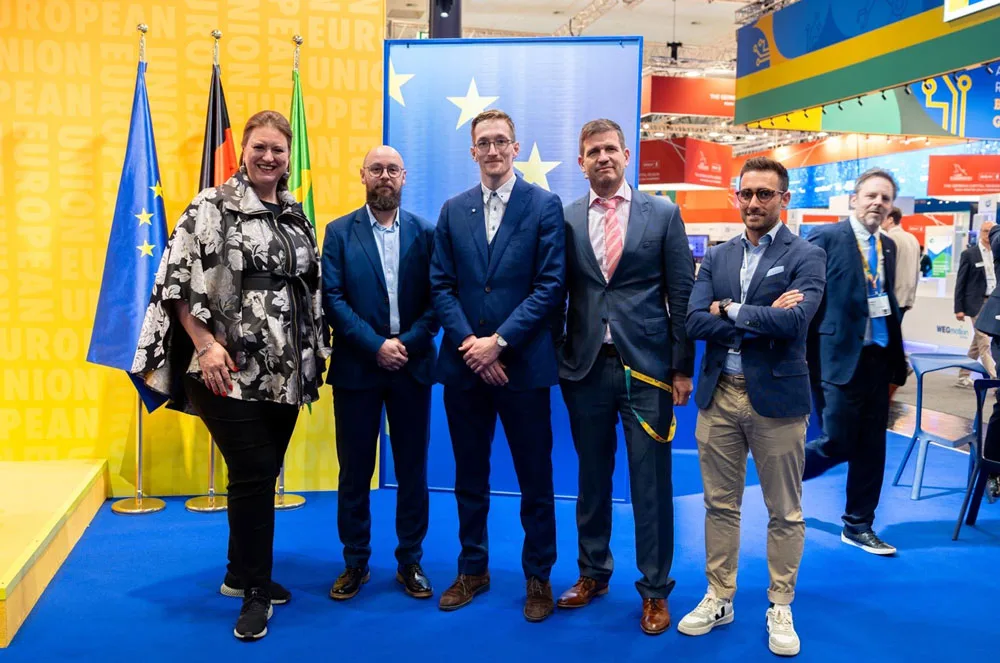
One particularly rewarding highlight was the excellent and very well attended discussion on Advanced Manufacturing at the European Commission’s DG GROW stand. More than 40 participants joined a lively exchange on the future of the sector, the growing influence of defence-related applications on additive manufacturing technologies, and possible policy and funding responses.
In our view, Europe and the European Commission are increasingly taking on a pioneering role in these discussions. Critical raw materials, industrial resilience, and manufacturing sovereignty were identified as strategic priorities there earlier than in many national debates.
Many thanks for the invitation and for the inspiring exchange with Sascha Hartig, Pieter Vos, Andrea Baldolini, and our excellent moderator Szabolcs Szekacs.
Another major highlight was Tuesday’s 7th Lightweighting Summit, where Germany’s Federal Minister for Economic Affairs underlined the enormous economic relevance of AM and lightweight construction technologies. Around 1.3 million jobs in Germany depend directly or indirectly on these industries — a powerful reminder that advanced manufacturing is not only a technology topic, but also a key employment and competitiveness factor for Europe.